
Nghe An aims to develop medicinal herbs into a high value-added economic sector
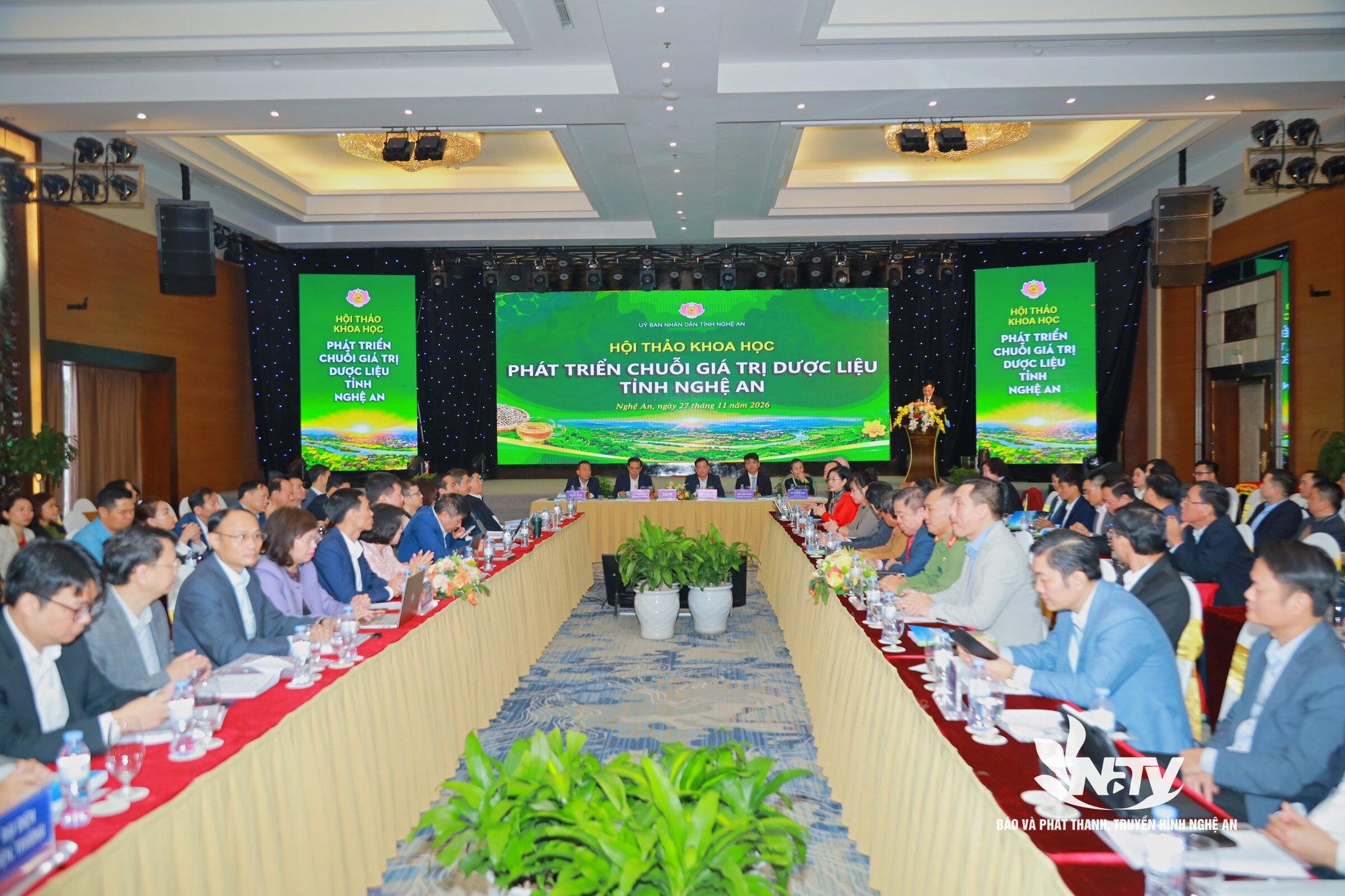
On the morning of November 27, the Nghe An Provincial People's Committee held a scientific workshop titled "Developing the medicinal herb value chain in Nghe An".
The workshop was co-chaired by Nguyen Khac Than, Member of the Party Central Committee, Secretary of the Provincial Party Committee, and Head of the Provincial National Assembly Delegation; Vo Trong Hai, Deputy Secretary of the Provincial Party Committee and Chairman of the Provincial People's Committee; Vo Thi Minh Sinh, Deputy Secretary of the Provincial Party Committee, Chairwoman of the Provincial Vietnam Fatherland Front Committee, and Head of the Provincial Steering Committee for Medicinal Herb Development; Nguyen Van De, Member of the Provincial Party Standing Committee and Vice Chairman of the Provincial People's Committee; and Dr. Tran Minh Ngoc, Director of the National Institute of Medicinal Materials.
Identifying potentials and bottlenecks of the Medicinal herb sector
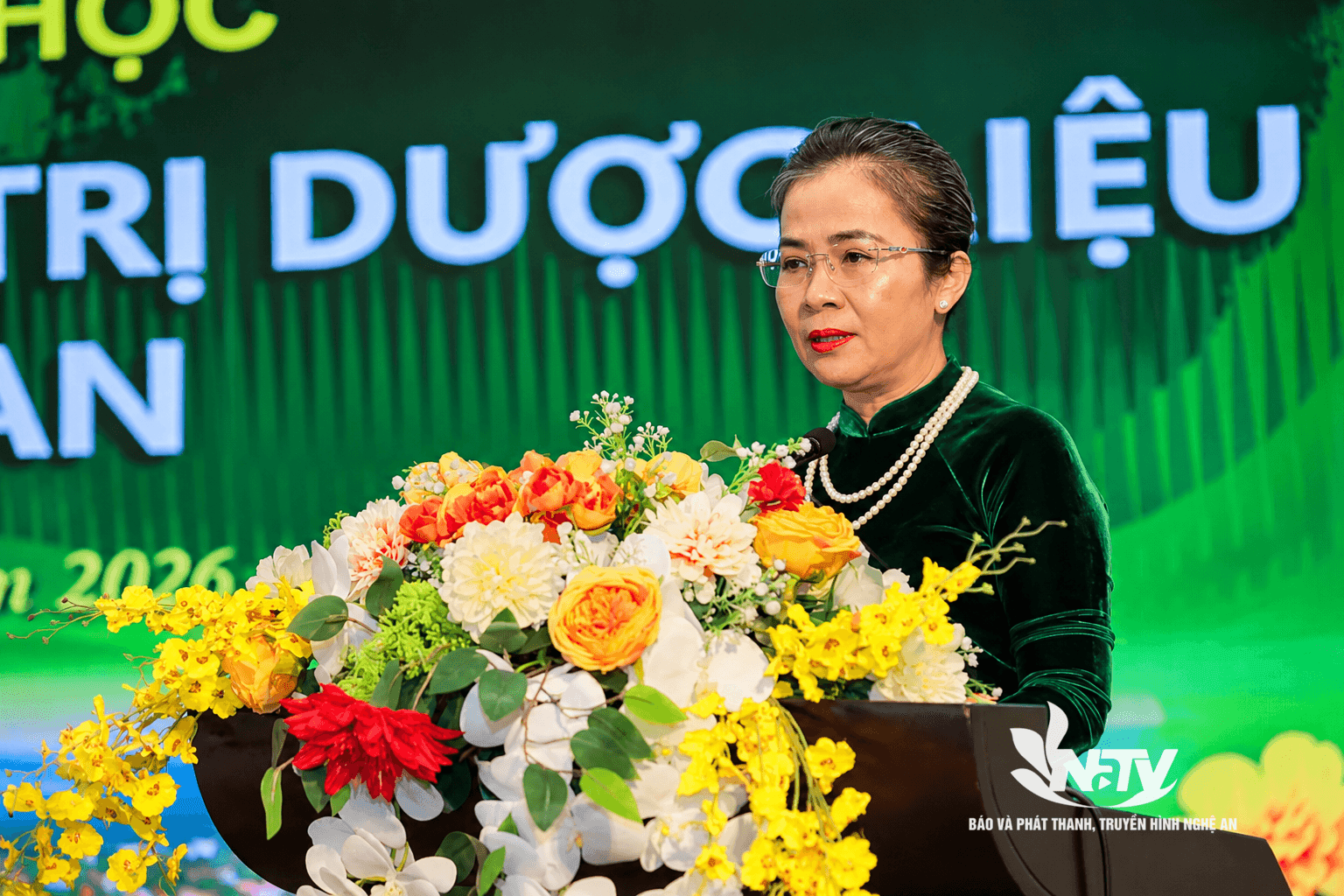
In her opening remarks, Vo Thi Minh Sinh, Deputy Secretary of the Provincial Party Committee, Chairwoman of the Provincial Vietnam Fatherland Front Committee, and Head of the Provincial Steering Committee for Medicinal Herb Development, stated that the growing demand for medicinal herbs and herbal products has brought heightened requirements for quality, safety, traceability, and sustainable development. She noted that the sector not only holds strong economic potential but is also closely tied to public healthcare, biodiversity conservation, under-canopy forest economy development, and local livelihoods.
The workshop's keynote report also highlighted Nghe An's considerable advantages for developing the medicinal herb industry. Alongside rich natural resources, ethnic minority communities in western Nghe An preserve valuable indigenous knowledge in identifying, harvesting, and utilizing medicinal plants-a vital asset identified for research, conservation, and promotion alongside sector growth.
The province spans a total natural area of over 1.64 million hectares, including more than 975,000 hectares of forest with a coverage rate of 59.16%. The Western Nghe An Biosphere Reserve covering nearly 1.3 million hectares. To date, Nghe An has recorded approximately 1,593 species of medicinal plants, including many rare, endemic varieties of high economic value such as Puxailaileng ginseng, Paris polyphylla, jewel orchid, golden camellia, cinnamon, and purple cardamom .
In recent years, the province has seen the participation of over 40 cooperatives and 75 cooperative groups in this sector. It has attracted three investment projects with a total registered capital exceeding VND 3.063 trillion and has developed 165 OCOP (One Commune, One Product) products derived from medicinal plants, 21 of which have achieved a 4-star rating.
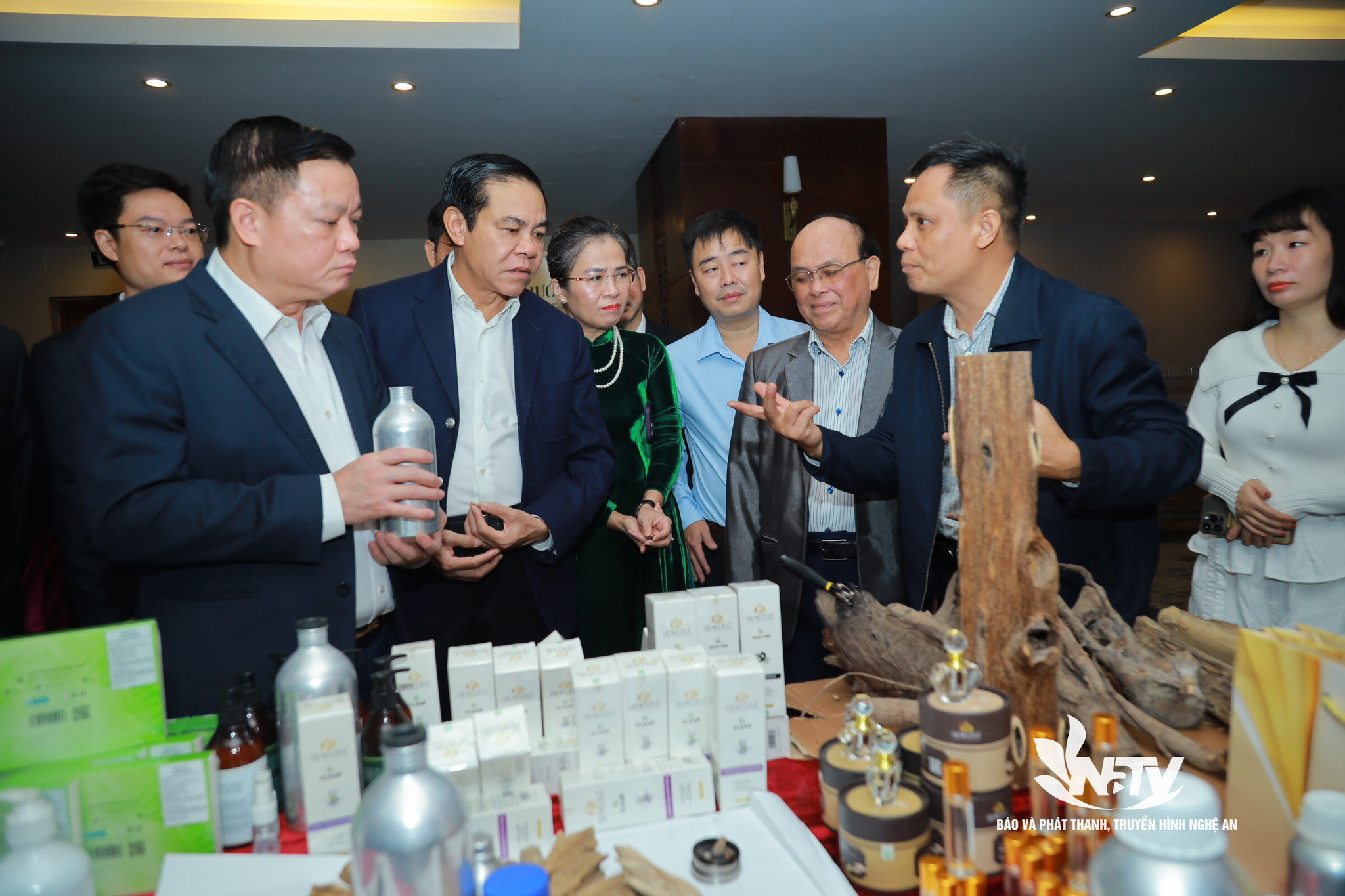
However, the development of the medicinal plant sector still faces several challenges. These include fragmented and small-scale raw material production areas, a lack of standardized planting stock and technical processes, and limited adoption of GACP-WHO (Good Agricultural and Collection Practices) standards. Furthermore, over 80% of medicinal herb output is still sold fresh or processed through manual drying. Nghe An currently lacks an industrial-scale extraction and manufacturing facility for traditional herbal medicines that meets GMP (Good Manufacturing Practice) standards. While the healthcare system has a high demand for medicinal ingredients, supplies still rely heavily on imports.
At the workshop, delegates focused on core issues such as selecting priority medicinal plant species, establishing raw material cultivation zones, organizing supply chains, applying science and technology, deep processing, market development, conserving genetic resources, and leveraging indigenous knowledge. The workshp also provided time for businesses, cooperatives, scientists, and local authorities to discuss linkage models, product off-take agreements, and cultivation zone development.
Selecting the right zones and species to build a value chain
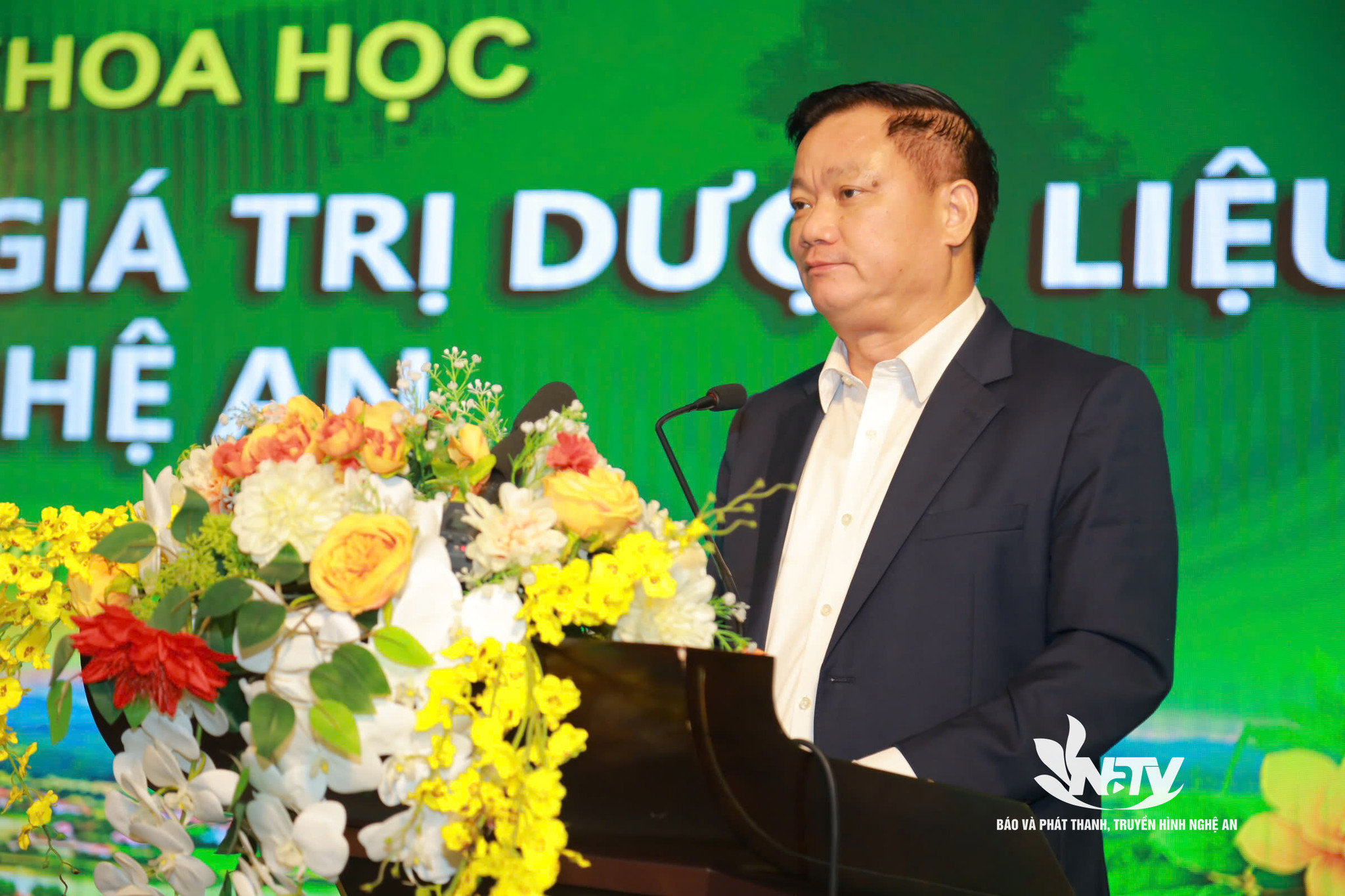
Delivering his directive speech at the workshop, Provincial Party Secretary Nguyen Khac Than emphasized the overarching vision of turning medicinal herbs into a high value-added techno-economic sector that gradually becomes a pillar of the provincial economy. This development is linked with agricultural and forestry restructuring, forest economy development, public healthcare, job creation, income growth, and the enhancement of local livelihoods. The province aims to establish itself as a hub for medicinal plant development as a powerhouse for green, sustainable, high value-added medicinal herb development integrated with an innovation ecosystem.
Accordingly, the province will conduct a comprehensive review and assessment of its land potential, ecological conditions, medicinal resources, and existing production areas. This will help define key medicinal species, priority locations, the scale of operations, and a roadmap for development. Strategic, rare, and precious medicinal plants will be prioritized for genetic resource conservation, while core medicinal species will be the focus for establishing commercial-scale production zones, integrated with processing facilities and market access. Potential medicinal plants must undergo further testing and evaluation before being cultivated on a larger scale. The planning of raw material production areas must be driven by market demand, specific orders, and the procurement and processing capacities of businesses. It should not be based on trends, nor should cultivation areas be expanded without a secured market outlet.
The Provincial Party Secretary stressed that science, technology, and human resources are the key drivers for enhancing the quality and value of medicinal plants. The province must step up scientific research, application, and technology transfer while focusing on conserving and developing genetic resources and breed varieties that offer high yield, superior quality, and strong adaptability. Furthermore, it is essential to refine the processes for cultivation, harvesting, storage, primary processing, and deep processing. At the same time, the province should strengthen collaboration with research institutes, universities, hospitals, healthcare facilities, and capable enterprises to acquire technology, train experts, develop human resources, and gradually build local research and application capacity.
A consistent requirement is to enhance production capacity, quality control, and market development. Quality must be strictly managed throughout the entire supply chain- from the selection of varieties, cultivation areas, and farming practices to harvesting, primary processing, storage, and final processing. This involves the gradual adoption of professional standards and best practices, the application of digital technologies, the management of cultivation-area data, and the implementation of traceability systems. Additionally, the province must bolster its capabilities in primary and deep processing, extraction, and the development of products with high scientific and technological content and significant added value. It is also crucial to build a brand for Nghe An’s medicinal plants, grounded in genuine quality, clear origins, scientific merit, and a strong reputation.
The Provincial Party Secretary further stressed that the development of medicinal plants must be integrated with the conservation of natural resources, the promotion of indigenous knowledge, and the protection of community interests. For herbs grown beneath forest canopies, cultivation must align with the designated functions of each forest type, ecological conditions, and management regulations, ensuring rational harvesting paired with conservation so as not to degrade biodiversity, forest resources, or natural values. For communities that possess traditional knowledge regarding medicinal plants and remedies, it is essential to show respect, encourage their participation, and ensure they receive appropriate benefits when such knowledge is utilized for research or the development of commercial products.
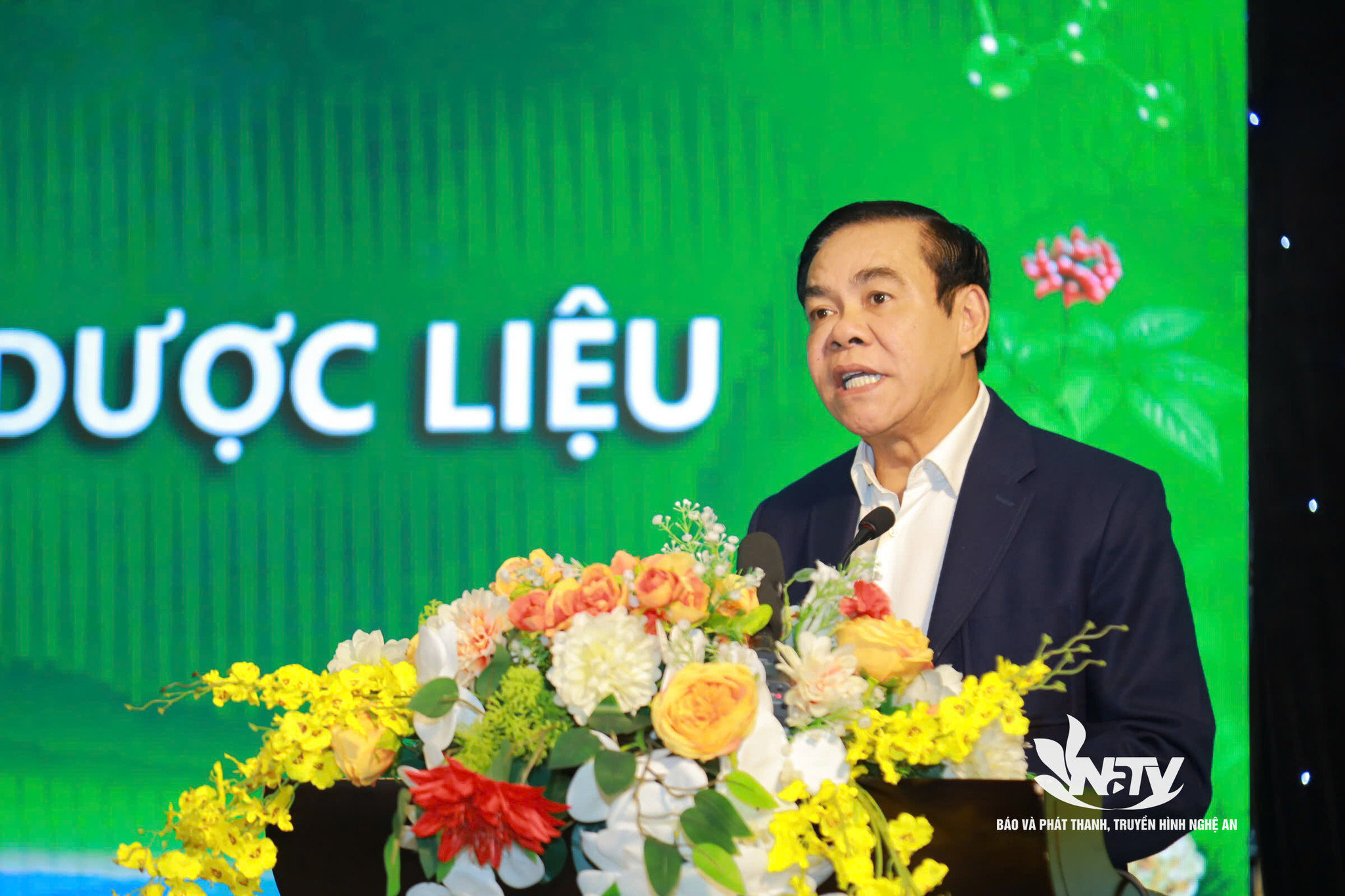
Acknowledging the strategic orientations set out at the workshop, Chairman of the Provincial People's Committee Vo Trong Hai directed relevant departments, agencies, and localities to promptly translate these directives into concrete tasks and plans with clear timelines, deliverables, and accountability. Rather than spreading investments thin, the province will focus on reviewing and selecting viable species, raw material zones, and pilot models to implement first, evaluating their effectiveness before scaling up.
In the immediate term, the Department of Agriculture and Environment is tasked with taking the lead in reviewing and standardizing data on resources, genetic pools, acreage, yields, and development conditions to propose a list of priority species and raw material zones. For species with established production and markets, such as cinnamon, and purple cardamom, the focus will be on enhancing quality, reorganizing raw material zones, and developing processing capabilities. For rare genetic resources like Puxailaileng ginseng, Tho Hao ginseng, and jewel orchid, priority will be given to research, propagation, scientific assessment, and feasibility studies before any scaling up.
On that foundation, the province will select a number of supply chains with favorable conditions for pilot implementation. Each chain must clearly define its products, raw material zones, lead enterprises, participating cooperatives, quality standards, and market distribution strategies.
Businesses and investors are encouraged to participate across the spectrum, from production and processing investment to market development. Furthermore, the cooperation agreements signed during the seminar must be swiftly converted into actionable plans, with clearly defined objectives, responsibilities, and expected outcomes.
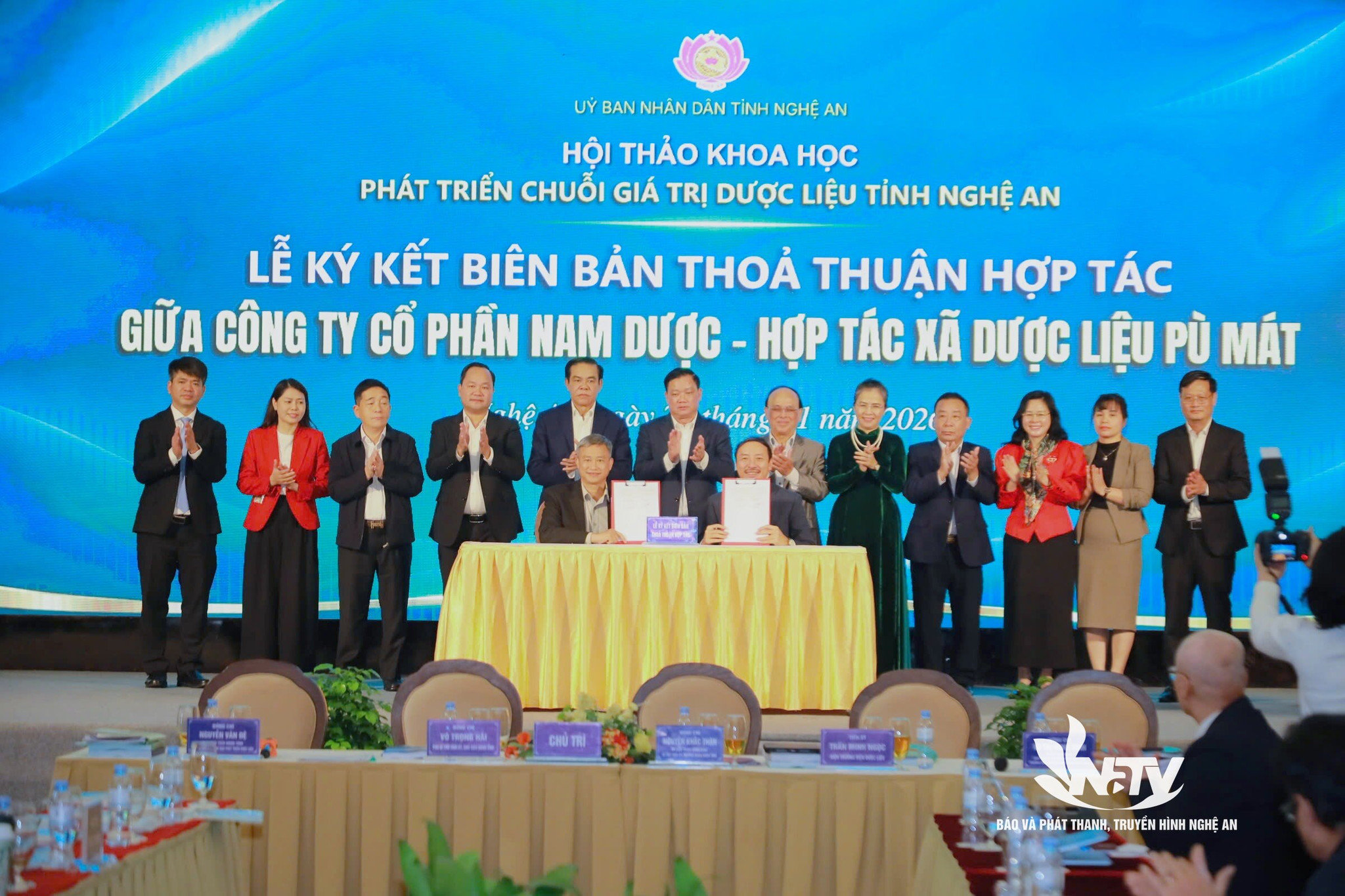
Alongside the organization of production, science and technology are being integrated into stages capable of generating direct value. The Department of Science and Technology is tasked with developing a list of priority scientific and technological initiatives, focusing on addressing challenges related to plant varieties, production processes, quality standards, storage, extraction, and deep processing. Simultaneously, efforts are underway to refine databases and digital maps of medicinal plant resources, while applying digital technologies to manage cultivation areas, maintain production logs, ensure traceability, and control quality.
The province has also called on research institutes, universities, and scientists to continue their support through consulting, technology transfer, human resource training, and the development of specific products. Applied research projects must have designated recipients, ensuring that the findings can be effectively integrated into production.
In the post-production phase, the key mandate is linking processing with market demand and practical applications. Specifically, the Department of Industry and Trade is assigned to survey market demand, connect processing and distribution enterprises with raw material zones, and support trade promotion, branding, and domestic market expansion toward future exports of qualified products. The Department of Science and Technology will assist with intellectual property registration, trademarks, and geographical indications, while the Department of Health will guide specialized standards, oversee quality control, and connect medicinal herb supplies with traditional medicine practices and healthcare facilities.
Furthermore, the Department of Finance is directed to review and propose a list of priority projects for investment attraction, along with support mechanisms and strategies for mobilizing and integrating resources to fund foundational tasks and scalable, high-efficiency models.
The outcomes of the workshop will be further concretized in the Nghe An Medicinal Herb Development Project, setting out clear priority products, development zones, roadmaps, resources, and implementation responsibilities. Communes with medicinal herb potential must also proactively assess local conditions, select suitable species, and connect businesses, cooperatives, and residents, linking production with forest protection and sustainable livelihoods.